Cultivating gratitude in kids and teens all year long
Although gratitude is often top of mind around the holidays, child development experts say this season is really a reminder that thankfulness works best as a daily, year-round practice, one that can meaningfully support children's emotional well-being.
"As children regularly practice noticing small, good things, they're building neural pathways that help them shift attention away from stress and toward positive aspects of their experience," children's music artist, author and mindfulness educator Kira Willey told "Good Morning America."
Over time, she said, those repeated moments help children "find solid ground in all kinds of circumstances, even when things feel chaotic."
As concerns about youth mental health persist, psychologists say gratitude remains one of the simplest and most accessible tools families can use to support kids' emotional resilience.
For many families, gratitude has become a practical strategy for easing day-to-day stress.
Janine Marcello, a mom from Rhode Island, told "GMA" that her family began a nightly gratitude check-in during the pandemic when her two elementary-aged daughters were struggling with uncertainty.
"It wasn't anything fancy," Marcello said. "We'd just sit on the couch and go around saying one thing we appreciated that day. At first they rolled their eyes, but after a few weeks they were reminding me to do it. It honestly helped all of us settle our nerves."
What gratitude really means for kids
Psychologists describe gratitude as a multi-step skill: noticing something positive, recognizing someone else helped make it happen, feeling appreciation and expressing it. Children aren't born knowing how to do this automatically, they build the skill gradually, often by watching adults model it.
For younger kids, Willey says gratitude works best when it's playful, brief and woven into routines that already exist. "The magic formula is to keep it short, keep it playful, and make it consistent by attaching it to things you already do every day," she said.
That might mean pausing at breakfast to appreciate where food came from, naming something that made them smile on the ride to school, or sharing one small thing they're grateful for at bedtime.
Parents shouldn't worry if kids don't immediately grasp the concept, Willey added. "The seeds you're planting through these repeated moments will grow over time," she said.
Robert Andrade, a dad from San Diego, told "GMA" that his teenage son, who became withdrawn after starting high school, only engaged with gratitude when it felt private and self-directed. "He didn't want to journal," he said. "But he liked sending one thank-you text a week to someone who helped him, a coach, a friend, even his math teacher. It became his own thing."
What happens in the brain when kids practice gratitude
Neuroscience helps explain why these small moments can have such a powerful impact.
Meghan McAuliffe Lines, Ph.D., division chief of Psychology at Nemours Children's Health in Delaware, said brain-imaging research shows gratitude activates the medial prefrontal cortex, a region associated with emotion regulation, perspective-taking, reward and social cognition.
"Gratitude is also related to increased production of dopamine and serotonin," Lines said, chemicals associated with feelings of happiness, calm, focus, and motivation.
"Taken together, gratitude alters the brain in a way that makes individuals feel good, which reinforces the attitude of gratitude," she added.
Lines said longitudinal research shows these effects can persist over time.
"Consistent practice of gratitude is literally changing the way the brain works," she explained, adding that it strengthens neural pathways linked to positive thinking, mental well-being and reduced stress.
She noted that the connection between gratitude and happiness appears around age 5 and continues throughout life.
Why gratitude gets harder -- and becomes more important -- for teens
Dr. Cameron Caswell, an adolescent psychologist known as "The Teen Translator," said gratitude can be especially challenging during adolescence, precisely because of how the teen brain develops.
"During adolescence, emotions are louder, reactions are stronger and everything feels higher stakes," she said.
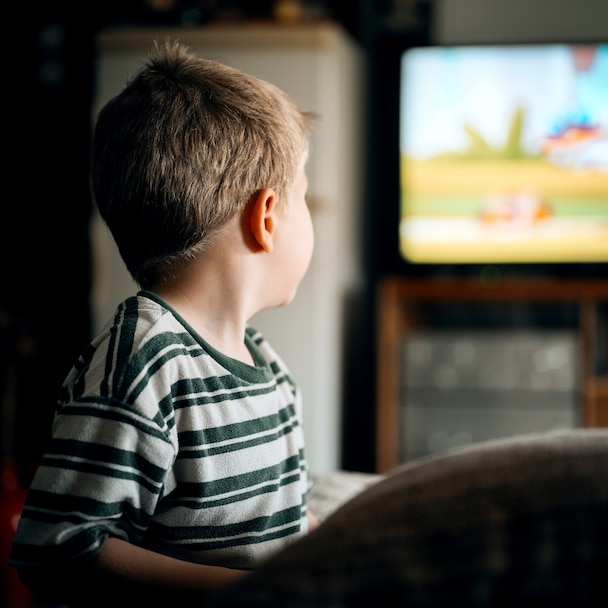


Teens are also highly attuned to social comparison and fairness. "When your brain is busy scanning for where you're behind or being treated unfairly, it's hard to notice or appreciate what you do have," Caswell said.
That's also what makes gratitude so powerful for teens: Caswell said simple gratitude practices help shift attention from what feels wrong or missing to what is going well. Over time, that shift can help teens develop a more balanced perspective and feel more connected to others.
Lines added that gratitude also influences social processing in the brain. "Gratitude activates areas related to empathy and social cognition," she said.
In adolescents, gratitude has been associated with stronger group cohesion and more prosocial behavior. Lines said gratitude may also support stress regulation and sleep, two areas where many children and teens struggle.
"For youth, gratitude interventions have been correlated with lower anxiety and depression, enhanced resilience, and improved sleep," she said.
Avoiding 'toxic positivity'
Experts caution that gratitude should never be used to dismiss or minimize a child's feelings.
While teaching manners is important, Willey said, requiring children to say "thank you" in emotionally charged moments doesn't create genuine gratitude. "That's the time for validation and connection, not teaching a lesson when they're already upset," she explained.
Caswell echoed that advice for teens. "The quickest way to shut a teen down is to tell them they should be grateful," she said. "Gratitude grows when it's discovered, not demanded."
Both experts emphasized modeling as the most effective approach, thanking a cashier, acknowledging a crossing guard, or expressing appreciation for small acts of kindness in everyday life.
Teaching and modeling gratitude
Lines said children can begin benefiting from gratitude exposure as early as preschool. "Simply observing someone demonstrate an act of gratitude can elicit connection and cooperation in young children," she said, underscoring the role parents and caregivers play through modeling.
As children grow, their cognitive and emotional abilities mature, allowing them to participate more fully in gratitude practices, particularly by elementary school age.
For adolescents, autonomy is key. Caswell recommends low-pressure prompts instead of lectures, such as "What helped you get through today?" or "What made today totally not suck?"
She also points to volunteering as a powerful entry point. "When teens see that they can make a difference, even in a small way, it boosts their sense of competence and worth," she said, noting that feeling capable makes gratitude feel safer and more natural.
Gratitude gift-giving ideas
By clicking on these shopping links, visitors will leave ABCNews.com and Goodmorningamerica.com, and these e-commerce sites are operated under different terms and privacy policies. ABC will receive a commission for purchases made through these links. SOME PRICES ARE DYNAMIC AND MAY CHANGE FROM THE DATE OF PUBLICATION. Have questions about ordering or a purchase? Click here.Gratitude Jar 2.0

Thank you board and notes