Why easing into your New Year’s resolutions may be better than going cold turkey: 3 strategies to stay on track

Welcome to GMA’s New Year, Best You. As we ring in the new year, we are sharing everything you need to start the new year strong. From keeping your New Year’s resolutions going to Instagram-worthy meal prep to workout programs to eating plans to taking time for yourself, we have it all covered.
January is a time when many people pledge to go cold turkey and banish their undesirable habits from the years past. The saying "old habits die" hard carries so much truth. But rather than a full stop, consider easing in to a new routine with sustainability in mind. Creating a strategy where small steps are the focus helps you to see the successes while encouraging you to move forward.
Nutritional choices impact both short- and long-term health outcomes. Opting for foods in their whole and minimally processed forms with limited added sugars, salts and lab-made fats keeps our bodies feeling good and functioning well.
Get your gut healthy
The gut is one of the largest immune mediators in the body. The gut digests, absorbs, synthesizes and transports -- and all of these functions impact overall health. Fiber helps to colonize beneficial gut bacteria and aids in digestive health.

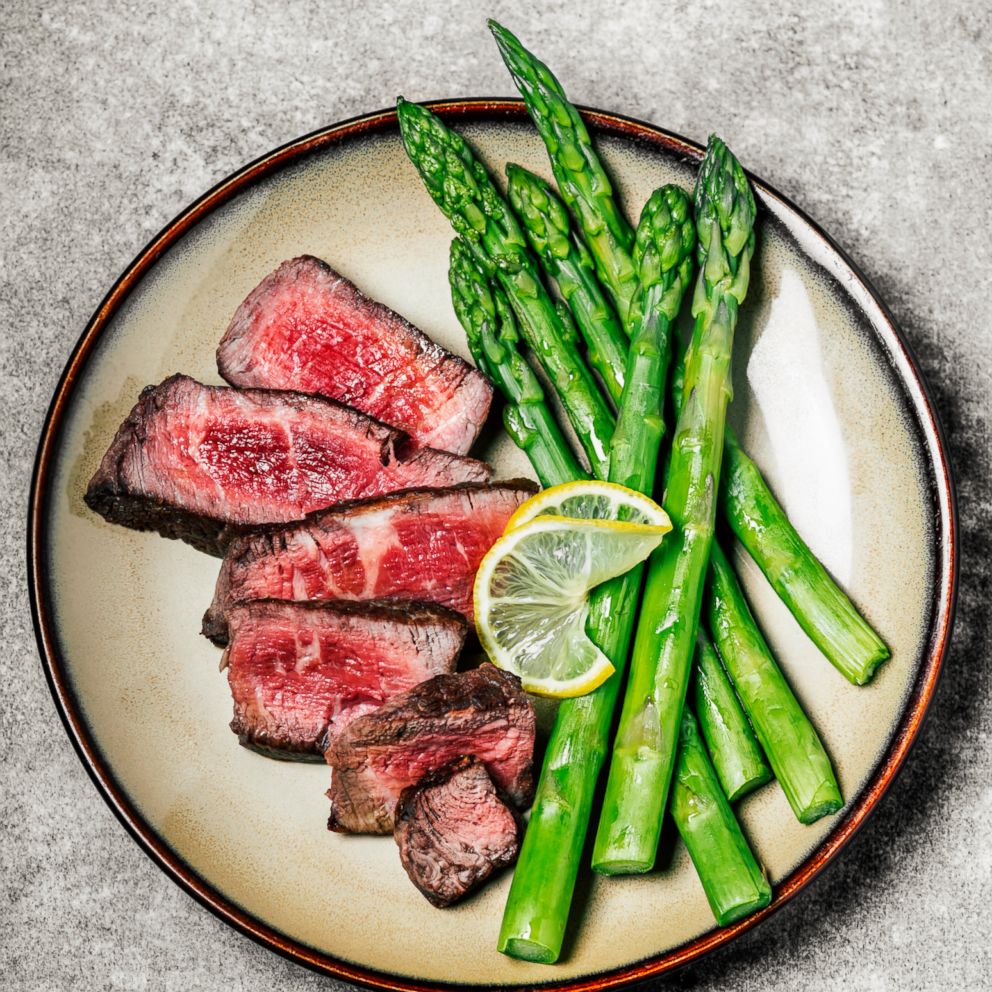
The current recommendations for women are to have 25 grams of fiber each day and for men to have 38 grams of fiber daily. To meet those recommendations, aim for a minimum of 1 1/2 servings of vegetables at each meal. Swap your grains, go for whole grains in place of refined grains, and add legumes to your routine at least once weekly.
• Aim for a variety of non-starchy vegetables for a minimum of 5 servings a day.
• Love your leafy greens -- the deeper and darker the green the better.
• Make at least half of all your grains whole and, if you can, 75%.
• Vary your grains: try black rice, millet and buckwheat groats.
• Love your fermented foods and probiotic-rich dairy. The gut loves probiotics!
• Berries are a great source of good bug-fostering phytonutrients.
Keep things flowing
Water makes up more than 2/3 of our body weight and is essential for our health. What can water do:
• Regulates body temperature (breathing and sweat)
• Helps remove waste and toxins from the body
• Used in the brain for the formation of neurotransmitters
• Helps deliver oxygen throughout the body
• Helps deliver nutrition to our cells

The current recommendation is to have between 91 and 125 fluid ounces of water daily. To help meet the body's water needs, consuming plain sparkling water, herbal tea and hydrating foods -- such as lettuce, cucumber and berries -- can help.
Keep it stable
Blood sugar highs and lows are no fun. Limiting variability in your blood sugars throughout the day can be done by consuming well-balanced meals that supply proteins, heart-healthy fats and nutrient-rich carbohydrates.
Eggs are a simple and nutritious source of protein. For people who don't eat eggs, one serving of almonds provides 6 grams of satiating protein.
Here are a few more simple ideas:
• Balance your meals by aiming to have a combination of non-starchy vegetables, starchy vegetables or legumes with lean proteins.
• When building your plate aim for 1/2 to 3/4 of your plate as a non-starchy vegetable with 1/4 as lean protein and 1/4 as starchy vegetable, legumes or whole grains.
• Vary your proteins.
• Eat plant-based proteins, including almonds, tofu and beans.
• Aim for 2 servings of seafood each week.