Patients undergoing IVF in Alabama share fears after providers pause treatments

Less than one week after the Alabama Supreme Court's ruling that frozen embryos can be considered children, multiple medical providers across the state have paused in vitro fertilization procedures, citing legal concerns.
At least three providers -- including a large, statewide health system -- have paused IVF treatments, with one citing "legal risk."
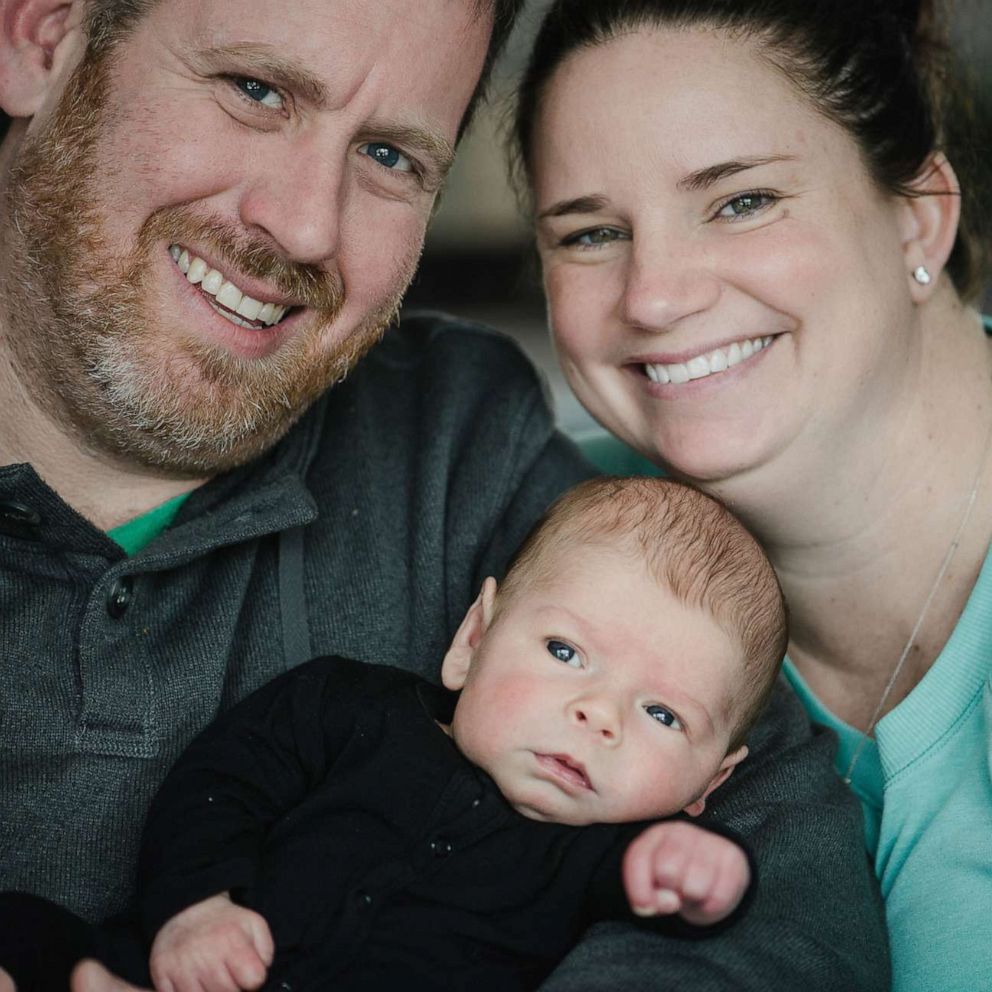
The decision has left women like Rebecca Matthews, an Alabama resident who gave birth to two children with the help of IVF, in limbo.
Matthews said she and her husband turned to IVF after suffering multiple miscarriages. As part of routine IVF, the couple had multiple embryos frozen to maximize their likelihood of getting pregnant.
The couple is scared about what could happen next with those embryos, and are unsure whether they could be "charged with something" if they choose to discard them.
"I never thought it would get to this point," Matthews added.

In the IVF process, ovulation is induced and eggs are removed from a patient's ovaries. The eggs are then fertilized with sperm outside of the body, and the resulting successful embryos are either placed in the patient's uterus in the hope of pregnancy or are stored in a laboratory for future use, according to the American College of Obstetricians and Gynecologists.
In its ruling last week, the Alabama Supreme Court said that frozen embryos qualify as people under state law. In the unprecedented decision, the state's highest court ruled that "unborn children are 'children' … without exception based on developmental stage, physical location, or any other ancillary characteristics."
The case on which the court ruled involved two couples who sued a patient who had managed to access the freezer that stored frozen embryos at an Alabama fertility clinic. The patient picked up multiple embryos and accidentally dropped and destroyed them. The high court ruled that the patient could be held liable in a wrongful death lawsuit.
In announcing its decision to pause IVF procedures, the UAB Health System shared concerns that its providers could be "prosecuted criminally" based on the court's ruling.
"We are saddened that this will impact our patients' attempt to have a baby through I.V.F.," the health system said. "But we must evaluate the potential that our patients and our physicians could be prosecuted criminally or face punitive damages for following the standard of care for I.V.F. treatments."

Alabama Fertility Specialists also cited the "legal risk" associated with the ruling in a note to patients announcing that IVF treatments would be paused.
"We have made the impossibly difficult decision to hold new IVF treatments due to the legal risk to our clinic and our embryologists," the note read. "We are contacting patients that will be affected today to find solutions for them and we are working as hard as we can to alert our legislators as to the far reaching negative impact of this ruling on the women of Alabama."
Dr. Mamie McLean, an infertility specialist at Alabama Fertility in Birmingham and the doctor who treated Matthews, told ABC News earlier this week that, for her, the court's ruling left more open questions than answers.
"We're concerned that this ruling has far-reaching consequences for what we feel is safe to freeze and safe to discard," McLean said. "This ruling is so incomplete and it leaves those of us who are sitting face to face with patients ... with the inability to comment on what is safe and what is legal for them right now."

A third provider that has since paused IVF treatments, Infirmary Health's Center for Reproductive Medicine in Mobile, said the state supreme court's ruling left it with "no choice."
"The recent Alabama Supreme Court decision has sadly left us with no choice but to pause IVF treatments for patients," Mark Nix, president and CEO of Infirmary Health, said in a statement to ABC News. "We understand the burden this places on deserving families who want to bring babies into this world and who have no alternative options for conceiving,"
Matt Clary, who lives with his wife in Alabama, told ABC News that they are now considering traveling out of state to complete their IVF journey, but worry about the legal implications of doing so.
Clary and his wife currently have several frozen embryos and had planned to start another round of IVF this summer at a fertility clinic in Birmingham.
"What I'm really concerned about though is could we legally retrieve our embryos?" Clary said, adding that he and his wife are not sure whether they can move their embryos to another state without facing liability. "That's the limbo that we're living in right now."
Research shows that IVF now accounts for as much as 3% of all births every year in the United States, having first been used in the early 1980s.
People today also use IVF for many different reasons beyond infertility, including to be able to have kids later in life, or after a cancer diagnosis or another health condition, and to be able to screen for genetic disorders.
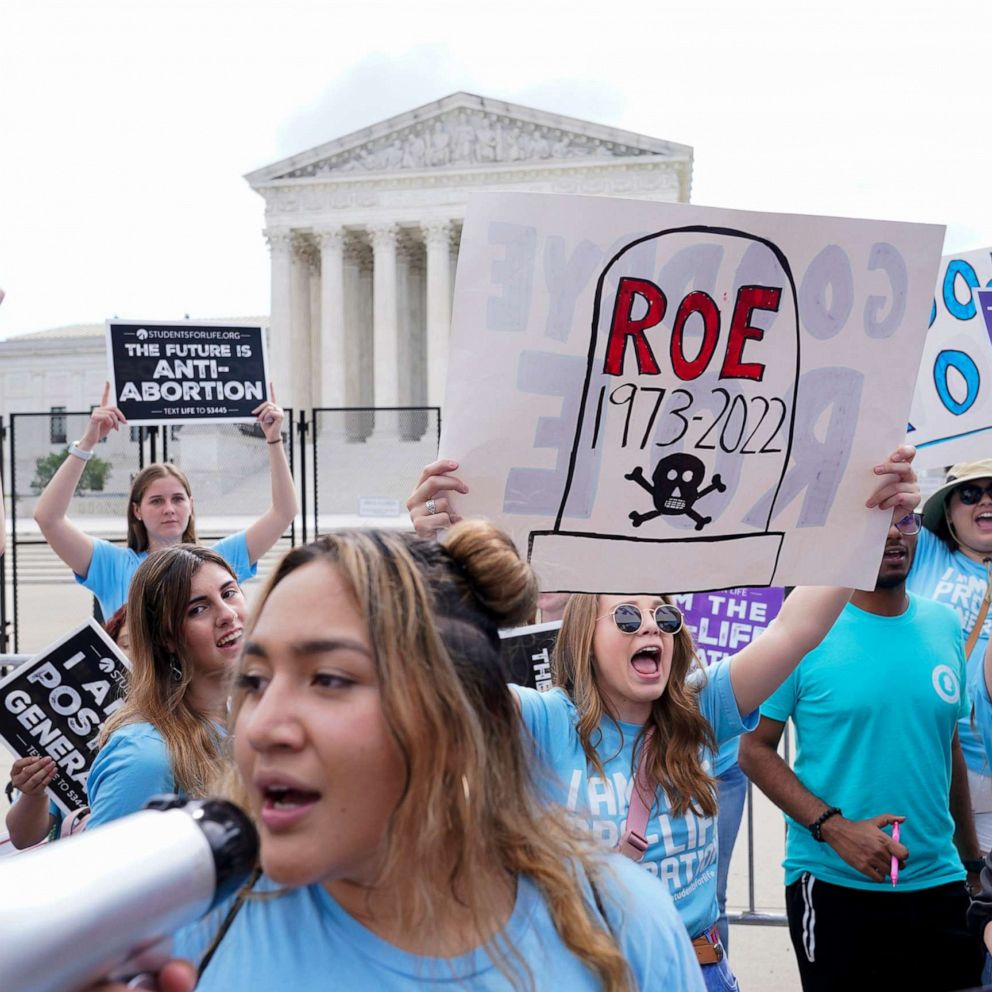
The legality of infertility treatments, including IVF, has been a concern since 2022, when the U.S. Supreme Court overturned Roe v. Wade, giving power back to states to decide whether or not abortion is legal.
At the time, Mary Ziegler, law professor at the University of California and author of "Dollars for Life: The Anti-Abortion Movement and the Fall of the Republican Establishment," told ABC News that the Supreme Court's decision could cause IVF to be "in tension" with how some states define abortion.
"States have definitions of abortion that are potentially in tension with IVF," she said. "For example, if you say life begins at fertilization, what does that mean for the storage of embryos? What does that even mean for the practice of IVF? Because sometimes it involves the implantation of more than one embryo to maximize the chances of a successful pregnancy, and sometimes some of those pregnancies are terminated in the hope that one will last. Will that be prohibited?"
A total of 16 states have ceased nearly all abortion services in the wake of the U.S. Supreme Court decision, including Alabama, where the procedure is banned in most circumstances.
ABC News' Mary Kekatos, Elizabeth Schulze, Nadine El-Bawab, Yi-Jin Yu and Amantha Cherry contributed to this report.