Study finds COVID-19 may increase risk of diabetes in kids: 3 things for parents to know
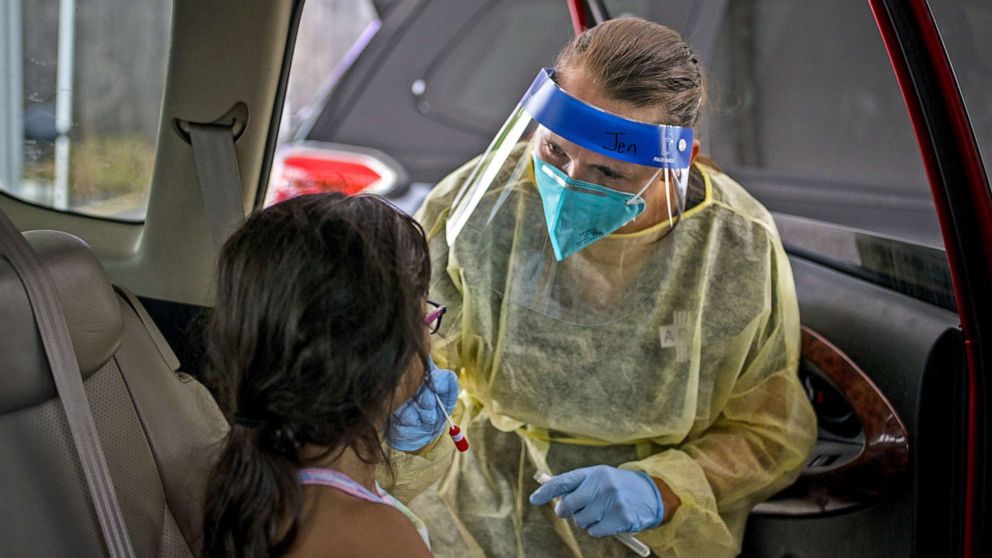
Kids who have recovered from COVID-19 may have an increased risk of developing diabetes, according to a new study from the Centers for Disease Control and Prevention.
The study, which looked at databases with information for over 2.5 million patients under 18, found that children diagnosed with COVID-19 were about 2.5 times more likely to receive a new diabetes diagnosis a month or more after infection.
The health care data, taken from the first full year of the coronavirus pandemic, showed that other, non-COVID-related infections were not found to be associated with increased risk of diabetes diagnosis, leading researchers to look for reasons for this possible link between COVID and diabetes diagnoses.

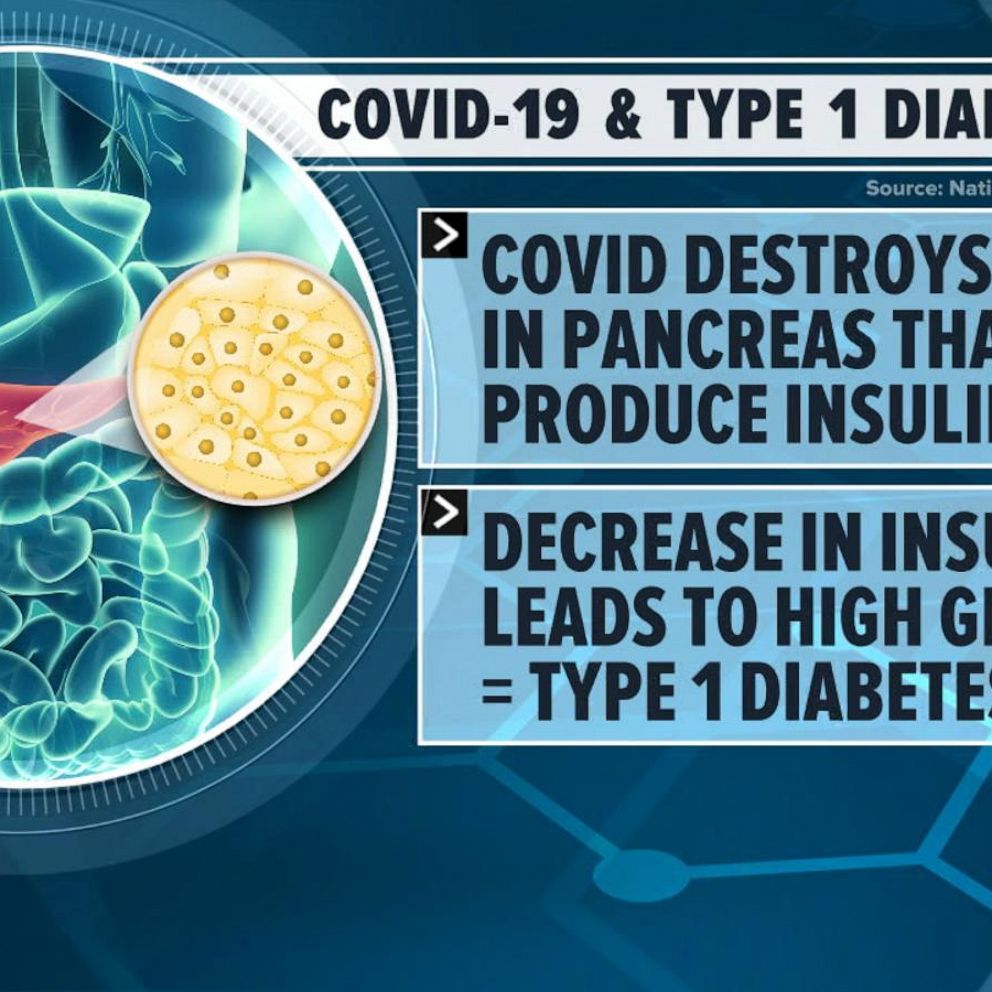
A possible link between COVID-19 and an increased risk of diabetes has also been found in adults. In June, two studies were released that showed the virus’s ability to infect pancreatic beta cells, decrease insulin secretion and effectively yield Type 1 diabetes.
In Type 1 diabetes, the body completely stops making insulin, requiring daily insulin injections, via shots or an insulin pump, to stay alive.
In Type 2 diabetes, the body continues to make insulin but develops insulin resistance, meaning the cells do not respond to insulin correctly.
The CDC's new study on children ages 18 and under, released Friday, included cases of both Type 1 and Type 2 diabetes in its analysis.
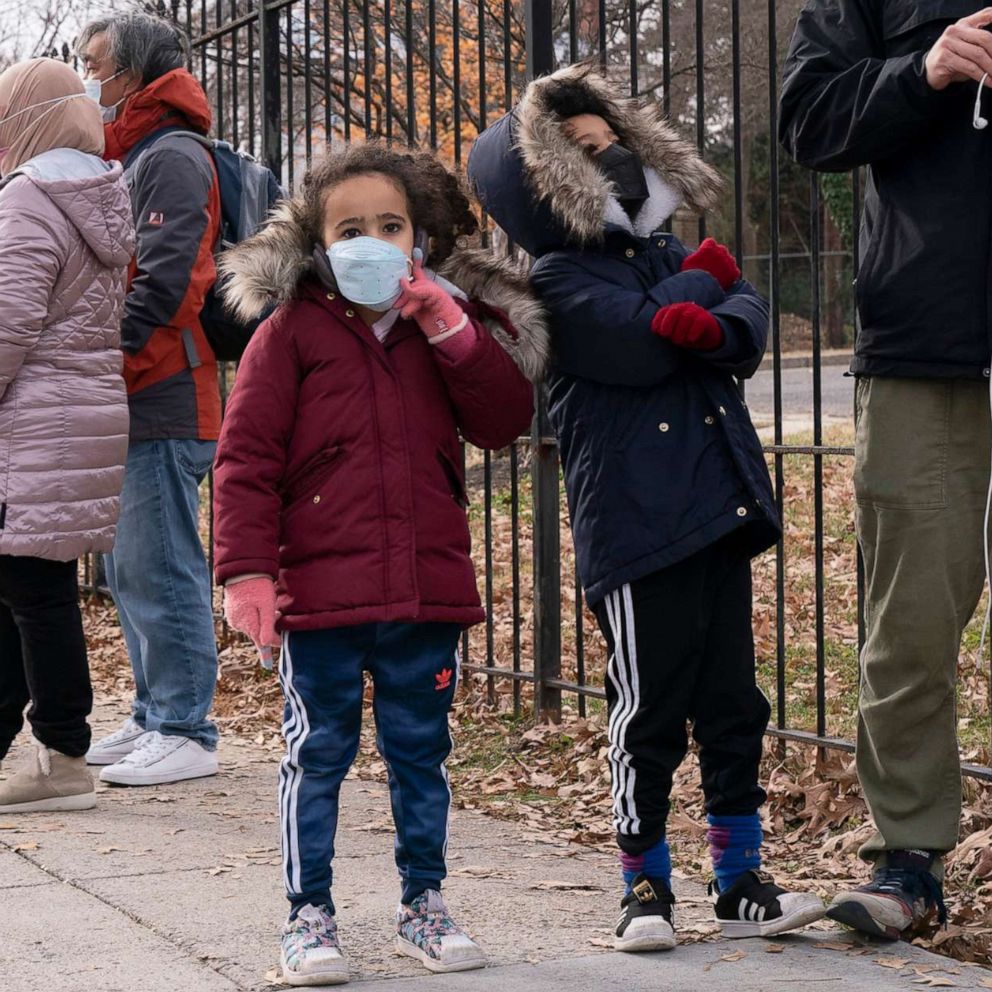
The new concern for kids comes as the United States continues to see its most significant COVID-19 infection surge yet, which is heavily impacting children.
Last week alone, 580,000 children tested positive for COVID-19, nearly three times more than two weeks prior, according to a weekly report from the American Academy of Pediatrics and the Children’s Hospital Association.
Here are three things for parents to know about kids, COVID-19 and diabetes.
1. Not all kids with COVID will get diabetes.
Sanjoy Dutta, Ph.D., vice president of research for the Juvenile Diabetes Research Foundation, a nonprofit organization focused on Type 1 diabetes research and advocacy, said parents should be aware that the new research shows an association between COVID-19 and diabetes, but does not identify how the virus could or whether it actually does increase the risk of diabetes in kids.
"I would not necessarily go about raising the alarm bell right now that it is increasing Type 1 diabetes," said Dutta. "There is no mechanism yet to suggest that it is doing it or how it is doing it."
The study did not include information about who may have had preexisting conditions that could lead to diabetes and did not include laboratory data confirming the new diagnoses.
The study also did not include people without commercial health insurance, which excludes over one-third of children in the U.S.
2. Getting vaccinated remains important.
The study's findings highlight the importance of getting vaccinated against COVID-19, according to the CDC.
Currently, all children ages 5 and older are eligible to receive the Pfizer vaccine. Children ages 12 and older, and certain immunocompromised children ages 5 to 11, are also now eligible to receive a third dose of the Pfizer vaccine.
Pediatricians say the safety of the vaccine is far more proven than the uncertainty of potential complications from COVID-19 for kids.
"We have never had a vaccine that we've ever given, going back 100 years, that long-term suddenly something showed up that didn't show up within the first two to three or four months," Dr. Stanley Spinner, chief medical officer and vice president of Texas Children's Pediatrics and Texas Children's Urgent Care, told ABC News earlier this month. "So we are very comfortable about the safety long-term of these vaccines."
"What we don't know is what the long-term effects of COVID can be to kids, even when they get over it now," he continued. "Parents need to know that if your child gets COVID and seems to be OK with it, great, but what's going to happen maybe six months or a year or five years down the road, because we definitely don't know."
3. There are warning signs of diabetes to look for.
The CDC is urging parents, pediatricians and caregivers to be aware of the warning signs of diabetes.
Symptoms of diabetes include thirst, hunger, frequent urination, unexplained weight loss, blurry vision and fatigue, according to the CDC.
Dutta added that parents should watch for unusual behavior patterns in their kids.
"Any unusual pattern of change in behavior in a short window of time is what I would look out for as a sign of needing to consult a doctor," he said. "It's not intentional, but it's very easy to overlook some of the signs of a disease."
Concerned parents should contact their child's medical provider, or in the case of an emergency, seek immediate help. A delay in diagnosis can lead to diabetic ketoacidosis, a serious complication of diabetes that can be life-threatening, according to Dutta.
A diabetes diagnosis can typically be made through a blood test.
ABC News' Sony Salzman and Robert Rowe, a resident in the ABC News Medical Unit, contributed to this report.