Katie Couric reveals breast cancer diagnosis

Katie Couric is speaking out after being diagnosed with and treated for breast cancer.
The 65-year-old journalist revealed in a personal essay on her website that she was diagnosed with breast cancer in June, and has since undergone surgery and radiation to treat the disease.
Couric, a mother of two, said she underwent what she thought would be a routine mammogram in June, after unknowingly missing her annual screening for two years during the coronavirus pandemic.


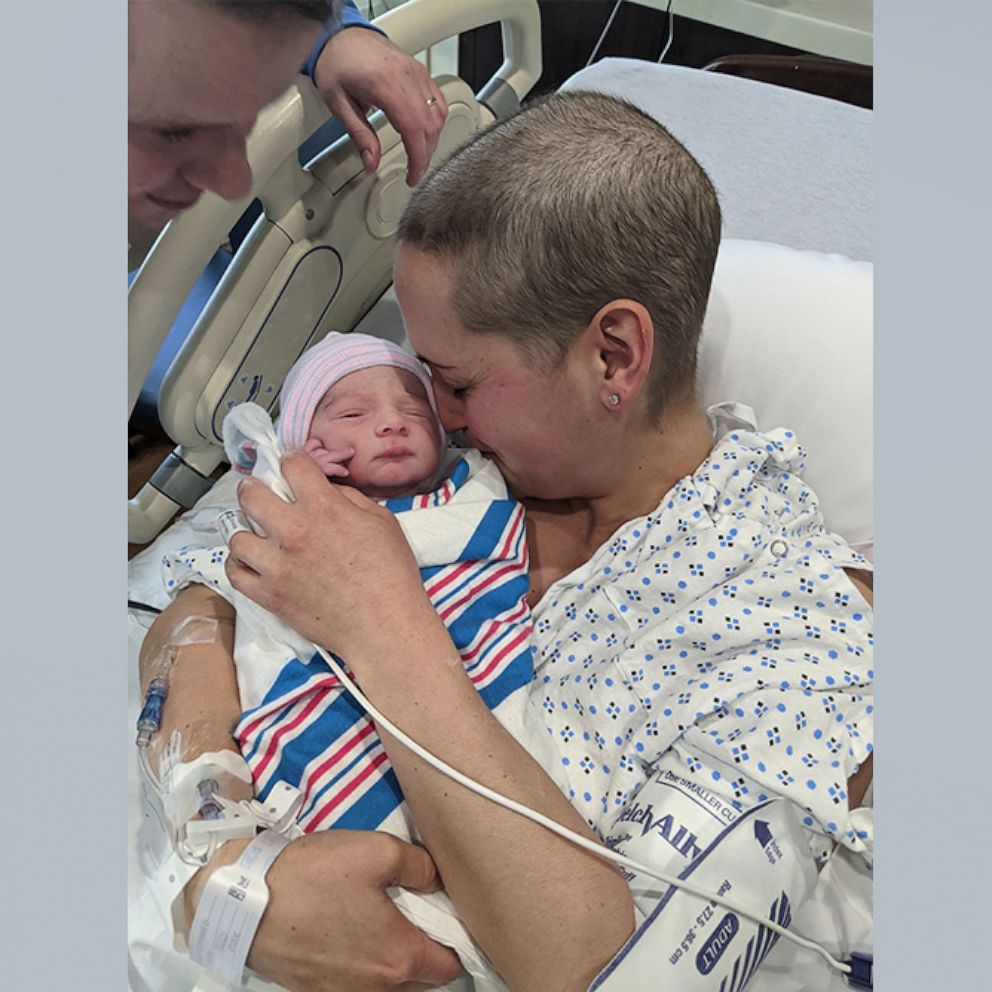
After a follow-up biopsy on her left breast, Couric said she received a call from her doctor with the diagnosis.
"I felt sick and the room started to spin," Couric wrote. "I was in the middle of an open office, so I walked to a corner and spoke quietly, my mouth unable to keep up with the questions swirling in my head."
Since the diagnosis in June, Couric said she has undergone a lumpectomy and several weeks of radiation to treat what her doctors diagnosed as stage 1A breast cancer.
She said the lumpectomy revealed a 2.5-centimeter tumor.
"I was warned that I may be fatigued and my skin may turn a little pink. Yesterday was my final round," Couric wrote, describing radiation, in an essay published on Sept. 28. "My left breast does look like I’ve been sunbathing topless, but other than that, I’ve felt fine."
Couric, who lost her husband, sister and mother-in-law to other types of cancer, said she felt grateful for all the advancements made in breast cancer research over the last several decades.
In addition to the treatments she's already undergone, Couric said she will also take medication for the next five years. The medication, aromatase inhibitor, is a class of drugs that lowers estrogen levels, according to the American Cancer Society.
"I can’t tell you how many times during this experience I thanked God that it was 2022. And how many times I silently thanked all the dedicated scientists who have been working their asses off to develop better ways to analyze and treat breast cancer," she wrote. "But to reap the benefits of modern medicine, we need to stay on top of our screenings, advocate for ourselves, and make sure everyone has access to the diagnostic tools that could very well save their life."
Couric shared her diagnosis on the eve of Breast Cancer Awareness Month, which is held annually in the month of October.
Breast cancer is the second-most common cancer among women in the United States, according to the Centers for Disease Control and Prevention.
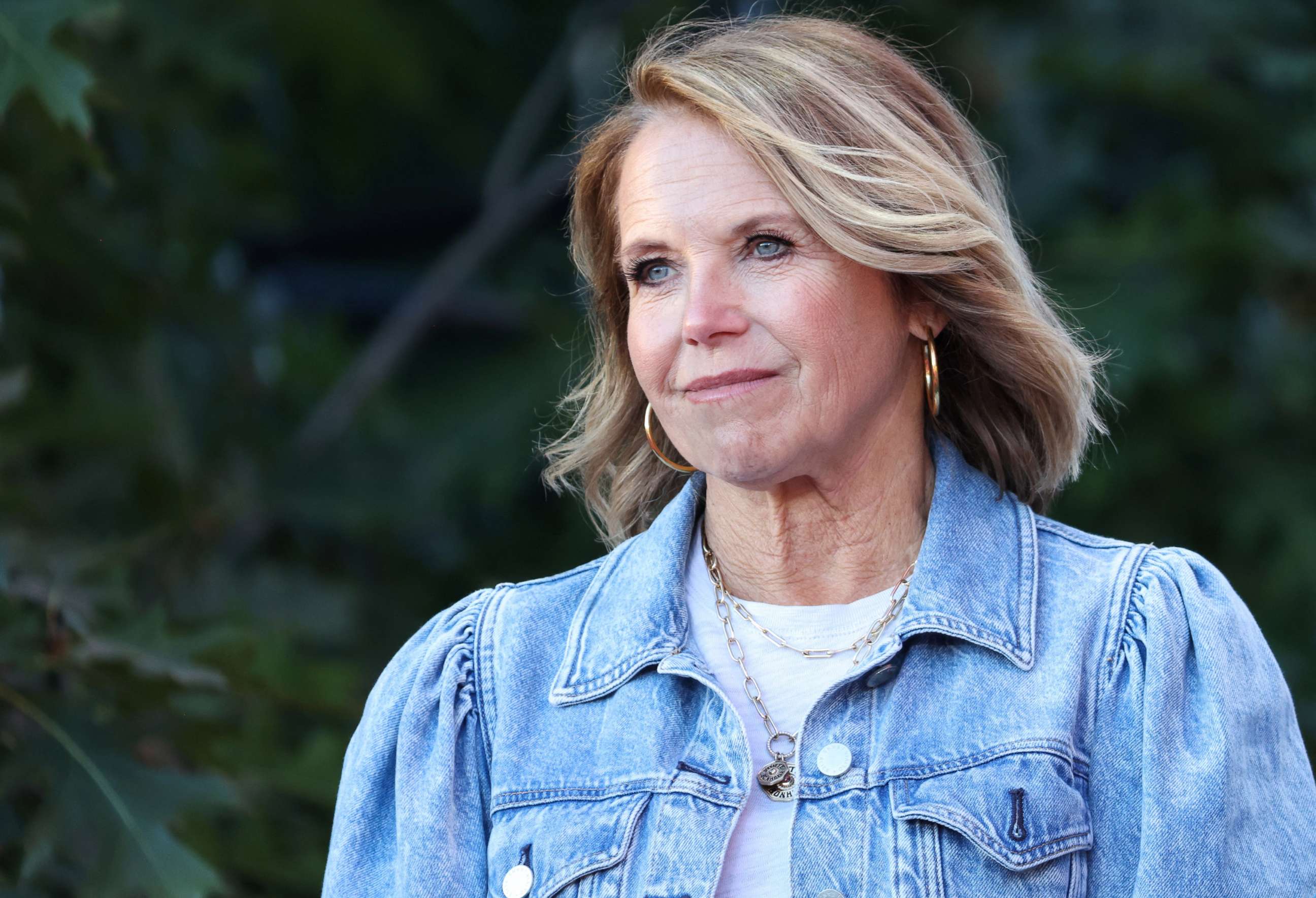
Around 42,000 women die from breast cancer each year, with Black women having a higher rate of death from the disease than other populations, according to the CDC.
Some women show no symptoms of breast cancer at all, according to the CDC, while others may experience symptoms including thickening or swelling of the breast, detection of a lump in the breast or armpit, redness and pain or a change in the size or shape of the breast.
Women ages 40 to 44 should have access to annual breast cancer screening with mammograms, while women ages 45 to 54 should get mammograms every year, according to the American Cancer Society.
Starting at age 55, the American Cancer Society recommends women switch to mammograms every two years or continue annual screenings.
During the coronavirus pandemic, many doctors saw a drop in cancer screenings due to limited non-essential, in-person visits and patients opting to put off routine examinations -- including annual cancer screenings -- to curb risky face-to-face interactions.
The number of screenings and mammograms given to people in the U.S. fell by as much as 80% during the pandemic, according to research published last year in the Journal of the National Cancer Institute.